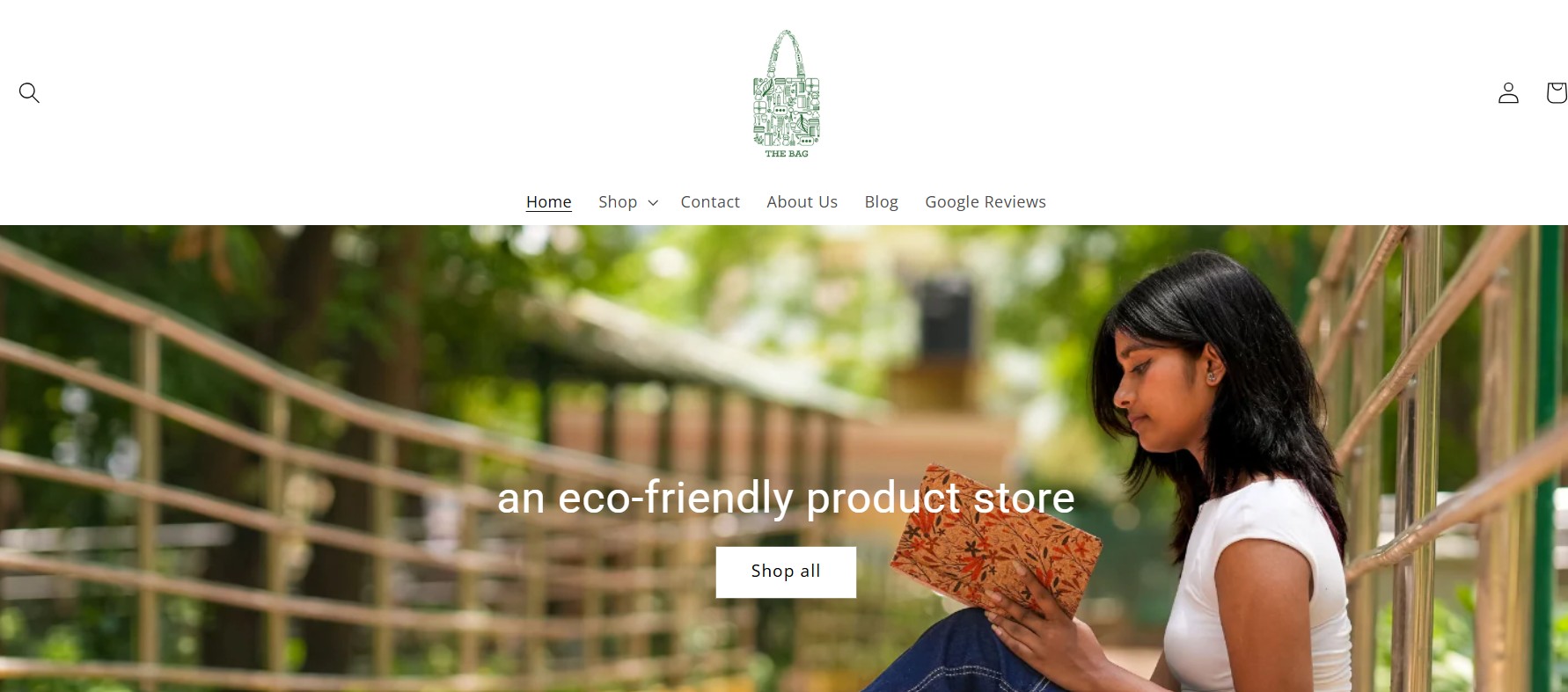
Case Study: Shopify Website for Sustainable Accessories
Industry: Sustainable consumer goods
Platform: Shopify
Product Focus: Accessories made from sustainable materials
Project Overview
A Shopify website created to consolidate a growing catalog of sustainable accessories into a single, scalable storefront. The build prioritized discoverability, conversion, and paid social readiness to support ongoing growth.
Primary Challenges
SEO optimization
Low initial organic visibility, inconsistent product metadata, and limited keyword targeting across collections and product pages.
Lead generation
Need for email capture and high-intent inquiry flows without disrupting shopping experiences.
Meta Business Manager integration
Requirement for reliable tracking, clean catalog connectivity, and ad account readiness for effective campaigns.
Solution
1) Shopify Build and Store Architecture
- Structured navigation built around material type, product category, and use case to reduce friction and improve browse depth.
- Collection templates designed to support merchandising (best sellers, new arrivals, seasonal drops) while maintaining SEO consistency.
- Product page layout optimized for clarity: sustainable material notes, care guidance, shipping/returns, and trust elements.
2) SEO Implementation
- Keyword mapping created for core collections and top-selling SKUs to define on-page targets and reduce cannibalization.
- On-page SEO applied across templates:
- Optimized titles and meta descriptions aligned to search intent.
- Clean, descriptive URLs and consistent internal linking between related products and collections.
- Improved on-page copy emphasizing sustainable materials, sourcing, and durability benefits.
- Image optimization plan established (naming conventions, compression workflow, and consistent alt text for accessibility and search relevance).
- Technical hygiene addressed: indexable collection structure, reduced duplicate content risk, and improved crawl paths through internal navigation.
3) Lead Generation and Conversion
- Email capture integrated with minimal friction:
- Timed or exit-intent opt-in aligned with sustainability messaging and product value.
- Segmented sign-up options for product drops and restock notifications.
- High-intent touchpoints added:
- Quick inquiry flow for bulk, gifting, or partnership requests.
- Post-purchase opt-in prompts to drive repeat purchase and referrals.
- Trust and clarity improvements to support conversion: shipping timelines, returns policy visibility, and sustainability FAQs.
4) Meta Business Manager and Ads Readiness
- Meta Business Manager connection configured for consistent ownership and access control across assets.
- Meta Pixel and conversion tracking configured to support funnel measurement:
- Key events aligned to business goals (view content, add to cart, initiate checkout, purchase, lead).
- Event prioritization prepared for measurement constraints and optimization.
- Product catalog integration established for dynamic ads and retargeting:
- Catalog structure aligned with Shopify collections.
- Product data quality improved (titles, descriptions, variants, images) to strengthen ad delivery.
Outcome
- Improved organic search readiness through consistent metadata, collection structure, and internal linking.
- Stronger lead capture through targeted opt-in moments and simplified inquiry pathways.
- Advertising foundation established via Meta Business Manager integration, conversion tracking, and product catalog connectivity.
Key Takeaways
- Collection and product architecture influences both SEO performance and user navigation efficiency.
- Lead generation performs best when aligned to high-intent moments (drop alerts, restocks, gifting, and partnerships).
- Paid social performance improves when tracking and catalog quality are addressed before scaling spend.

See this project live.
The Bag